Unveiling the Dangers of Face Morphing and Image Manipulation in Uzbekistan
Category : semifake |
Sub Category : semifake Posted on 2023-10-30 21:24:53
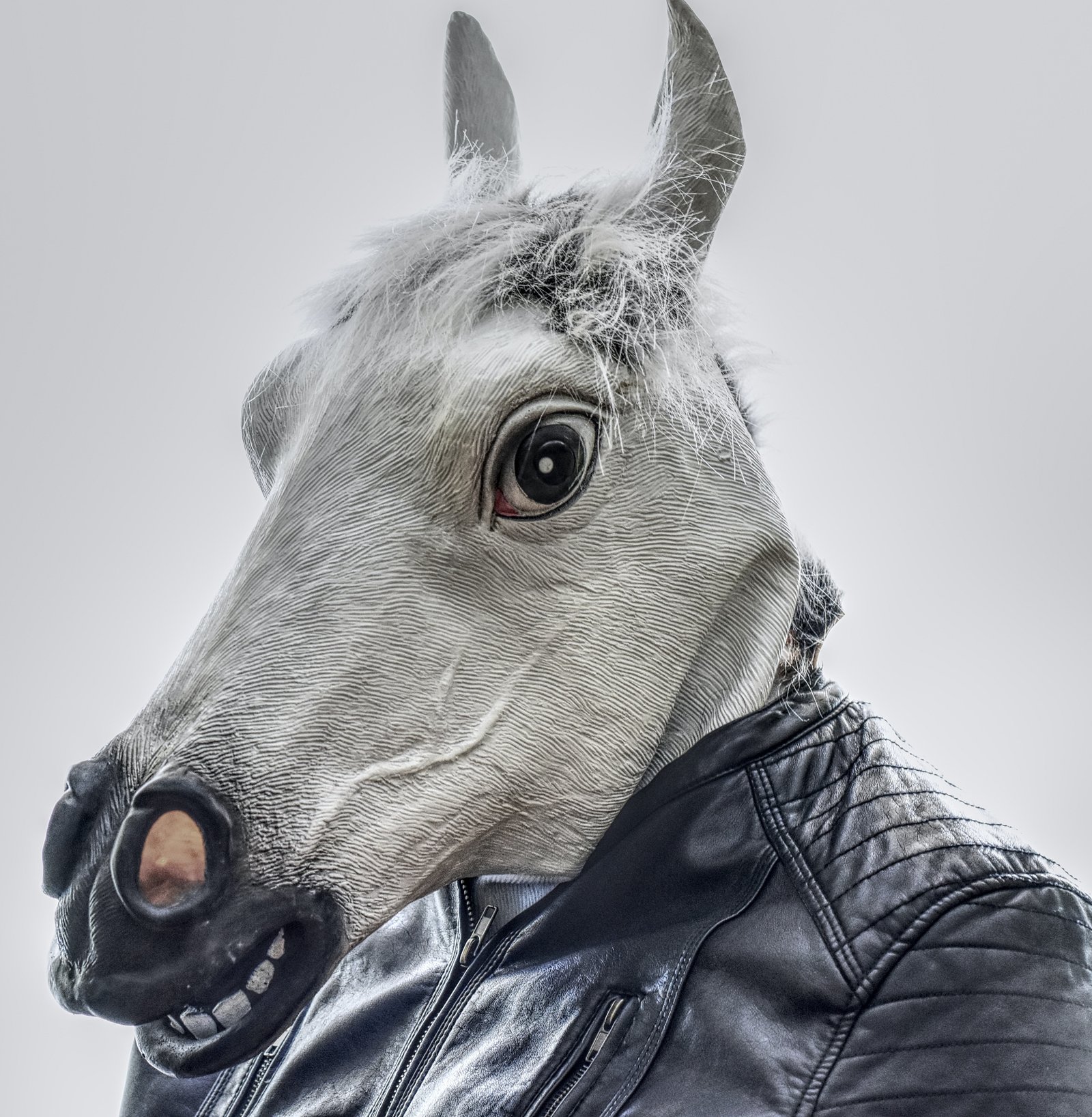
Introduction: In today's digital age, advancements in technology continue to transform our lives. From social media platforms to entertainment industries, the abundance of photo editing tools has revolutionized the way we present ourselves online. However, while these tools offer endless creative opportunities, there is a darker side to image manipulation that can have severe consequences. In Uzbekistan, the rise of face morphing and image manipulation has raised concerns about privacy, security, and ethical issues. In this article, we will delve into the dangers associated with these practices and their potential impact on individuals and society. 1. Face Morphing: Face morphing, also known as deepfakes, is a technique that uses artificial intelligence (AI) to blend and superimpose faces onto existing images or videos. While this technology has gained popularity for its entertainment value, it can also be misused to deceive, manipulate, and defame unsuspecting individuals. In Uzbekistan, the spread of malicious deepfakes has prompted concerns about privacy violations, cyberbullying, and the erosion of trust. 2. Identity Theft and Fraud: Image manipulation techniques can be utilized to create forged documents, such as identification cards or passports, compromising the integrity of personal information. This can result in identity theft, fraud, and other criminal activities. Uzbekistan, like many countries, faces the challenge of protecting its citizens against these sophisticated forms of manipulation. 3. Political Manipulation and Disinformation: In a politically charged environment, image manipulation can be exploited to spread false information and manipulate public opinion. By altering images or videos of politicians, individuals can create narratives that are harmful, misleading, or defamatory. The impact of such false information can undermine trust in institutions, sow discord, and disrupt the fabric of society. 4. Psychological and Emotional Consequences: Individuals targeted by face morphing and image manipulation can suffer severe psychological and emotional distress. The use of manipulated images to harass, shame, or humiliate someone can have long-lasting effects on their mental well-being. Victims may experience anxiety, depression, and social isolation. Addressing the potential harm caused by these practices is crucial to protect the mental health of individuals in Uzbekistan. 5. Legal and Regulatory Challenges: Uzbekistan, like many countries, faces challenges in regulating and addressing the growing threat of image manipulation and deepfakes. Legislation and enforcement measures are necessary to combat the misuse of these technologies. Collaborative efforts between governments, tech companies, and internet platforms are needed to establish guidelines, raise awareness, and hold perpetrators accountable. Conclusion: While face morphing and image manipulation technologies can be entertaining and offer exciting creative possibilities, their potential for harm cannot be ignored. In Uzbekistan, as in many other countries, the dangers associated with deepfakes and manipulative practices are significant. Safeguarding privacy, protecting individuals from cyberbullying, and addressing the ethical concerns surrounding these technologies require proactive measures. By raising awareness about the potential dangers, implementing effective regulations, and promoting digital literacy, Uzbekistan can navigate the complexities of this technology-driven era and ensure a safer digital landscape for its citizens.


